
Welcome to December’s funding update.
This update is split into two parts. Section A features funders with a local or regional focus. Section B features funders who work across England. In both sections, funders are listed in order of deadline date, soonest first. Funders without a deadline date appear after this.
This update can only provide a snapshot of these funders so we recommend visiting the funders’ websites for full details before you apply. Most funders in this list have a website, which you can access by clicking on the name of the funder. Full contact details have been provided for funders that do not have a website.
A. Funders with a local/regional interest
Deadline: 1st February 2026
Who can apply: Applications are accepted from organisations that are:
Who can apply: Applications are accepted from organisations that are:
- Not-for-profit, with a governing document and a bank account in the legal name of the organisation (with dual signatories)
- Foundation schools, colleges or academy trusts
- Statutory bodies (including local authorities, town, parish or community councils)
CICs limited by shares, community benefit societies and co-operative societies can also apply. The organisation must have a charitable dissolution clause to be eligible and meet the rest of the eligibility criteria
Projects must be located in the Severn Trent region and be benefiting the communities that are Severn Trent customers. (Severn Trent’s catchment region stretches across the heart of the UK, from the Bristol Channel to the Humber, and from the West Midlands to the East Midlands.)
Applicants can check if their project is in the eligible region using the map on the Severn Trent website or Water UK’s water supply postcode checker
Only one application can be accepted per organisation each year
Size of grant available: Two levels of grants are available:
- £2,000 to £20,000 – up to 24 months for project completion (organisations do not need to be registered to apply)
- £20,001 to £50,000 – up to 24 months for project completion
NB Severn Trent must be the majority funder of the project, so applicants need to be applying for at least 50% of the total project cost
Priorities: The funding is for local projects, charities and community groups across the Severn Trent region to improve community wellbeing
The funders have made some changes to their fund offering and from 2025 will be providing two levels of grant for new projects, with an updated application procedure. They expect to be able to support around 30 projects each year
How to apply: Applications are open in 2026 with the following deadlines:
- 1 February 2026 – for applications for £20,000 to £50,000
- 1 March 2026 – for applications for £2,000 to £20,000
- 2 August 2026 – for applications for £20,000 to £50,000
- 31 August 2026 – for applications for £2,000 to £20,000
The criteria and full details of how to make an application are given in the guidelines which can be downloaded from theSevern Trent website
FCC Community Action Fund – England
Deadline: 11th February 2026
Who can apply: Applications will be accepted from the following types of organisations:
- Registered charities which operate a community facility
- Churches or Parochial Church Councils
- Parish or Town Councils or Management Committees or User Associations acting on behalf of Parish or Town Councils
- Local Authorities
- CASC Registered Sports Clubs
Other organisations may still be able to apply for funding if they apply as a secondary applicant with a Parish Council, Local Authority or Charity which has an involvement in their project site
Applicants are advised to discuss their eligibility before applying
The project site must be owned, leased or under long term formal management agreement by the applying organisation. Any lease or management agreement must be in place before any application is made and have at least five years left to run
Projects must be based within 10 miles of an eligible FCC Environment waste facility
Applicants should use the distance checker to determine if their project is located within 10 miles of an eligible FCC Environment waste facility site
The following area will be considered for funding: Rowley Regis, West Midlands
Size of grant available: Grants of between £10,000 and £100,000 are available for projects with a maximum total project cost of £250,000 (including VAT if it cannot be reclaimed).
All grant recipients are required to secure a ‘Contributing Third Party’ (CTP) payment. This is a very specific payment required to be paid to the landfill operator and it is not the same as match funding. Full details can be found in the guidance notes
This is a highly competitive funding programme, which is oversubscribed
Priorities: The funding is intended to support not-for-profit organisations with the costs of making physical improvements to single amenity sites that are open and accessible to the general public. The facility should be somewhere the general public can go, join, or use, for leisure or entertainment purposes without any limit or restriction of use
How to apply: The 2026 application windows are:
- Round 1 opens 26 November 2025 and closes 11 February 2026 (17:00)
- Round 2 opens 25 February 2026 and closes 20 May 2026 (17:00)
- Round 3 opens 3 June 2026 and closes 19 August 2026 (17:00)
- Round 4 opens 2 September 2026 and closes 18 November 2026 (17:00).
Funding decisions are made approximately 16 weeks after the closing date
The guidance notes and online application system can be found on the FCC Communities Foundation website
Applicants should refer to the current guidance notes before starting the application process
Roger and Douglas Turner Charitable Trust
Deadline: 13th of February
Who can apply: Applications will be considered from registered charities (that have been operating for at least three years) working in any of the following thematic areas:
- Adults in need
- Young people in need
- Hospices
- Mental health support
- Poverty
- Environment and heritage
Applications are now only considered from national charities that have a registered or headquarters address in the beneficial area and can demonstrate specific work in the beneficial area.
To be eligible to apply charities must provide:
- Bank details
- Copies of accounts dated from within the previous 18 months
- A supporting letter giving details of the charity
To qualify as a regular beneficiary, a charity must have four years of consecutive grant awards
Size of grant available: Grants are generally between £2,000 and £5,000
Larger grants may be awarded to regular beneficiaries and capital projects
An organisation may only submit one application per calendar year
Priorities: The grants are for registered charities working in the following key areas:
- Adults in need
- Young people in need
- Hospices
- Mental health support
- Poverty
How to apply: Applications can be made throughout the year and are normally considered at three meetings each year
The submission deadlines for applications to be considered at meetings in 2026 are as follows:
- 13 February 2026 (for consideration at the meeting on 6 March)
- 12 June 2026 (for consideration at the meeting on 3 July)
- 23 October 2026 (for consideration at the meeting on 13 November)
Successful applicants are usually notified of a decision within two weeks of the meeting
Full guidelines and an application form can be found on Trust’s website. Completed applications should be returned via email to: grants@turnertrust.co.uk
Enovert Community Trust
Deadline: 26th of February
Who can apply: Applications will be considered from:
- Non-profit distributing organisations (do not need to be charities, but any surplus made must be used to further their organisation’s aims and objectives)
- Sporting organisations (must be CASC registered, a limited company or registered charity)
- Local authorities
To be eligible, applicants must:
- Have a constitution and/or memorandum and articles of association/trust deed
- Have secured all permissions and consents required for the project before submitting their application
- Be able to deliver their project within six months of receiving a grant
Projects must be located within 10 miles of Enovert Management Limited’s waste management operations in Kingswinford (DY6 7JS)
Size of grant available: There is no fixed maximum grant value, however the Trust give a figure of £50,000 as a guide
Priorities: The funding is intended to support community and environmental projects in the vicinity of Enovert’s operations across the UK. These include improving community halls, the creation of new play areas and skate parks, and restoring green spaces
Enovert Community Trust operates to fulfil the following objectives:
- Funding of high-quality projects which bring maximum impact to as broad a section of the community as possible
- Funding of projects in communities that are located within ten miles of a landfill facility operated by Enovert Limited or within ten miles of a waste facility managed by the company
- Funding of projects that help deliver biodiversity conservation for UK species, but which also engage with the local community where possible
- Funding of projects that will deliver enhanced recreational facilities which are accessible for the whole community
How to apply: Applications are open and the deadlines for submitting applications in 2026 are:
- 27 February 2026 (for consideration at the 14 April 2026 meeting)
- 22 May 2026 (for consideration at the 7 July 2026 meeting)
- 4 September 2026 (for consideration at the 20 October 2026 meeting)
- 4 December 2026 (for consideration at the 19 January 2027 meeting)
Application forms and guidelines can be found on the Enovert Trust website
Saintbury Trust
Deadline: 28th of February
Who can apply: Registered charities that are both based and operate (wholly or mainly) within the West Midlands, Warwickshire, Worcestershire and North Gloucestershire are eligible to apply. Given the limited funds available, the Trust prefers to prioritise applications from charities it has previously funded. New applicants will be considered in exceptional circumstances only
To be eligible, charities must be:
- Within the counties of the West Midlands, Warwickshire, Worcestershire and North Gloucestershire
- Within the following postcodes: B, CV, DY, GL, WR, WS and WV (see Trust’s eligibility criteria for specific eligible postcodes)
- Have at least four unconnected trustees
- Be up to date with their Charity Commission filing obligations
- Not be newly registered; the Trust requires that some history of the charity’s operation is publicly available before it will be considered
Applicants are advised to check their location eligibility on the Trust’s website before applying
Size of grant available: Funding is at the discretion of the Trustees. The majority of grants awarded are in the £1,000 to £5,000 range
Larger grants tend to be awarded to charities that the trustees (or at least one of them) have special knowledge of or if they have particular interest in the charities’ work
Priorities: The scheme is intended to support charities undertaking a wide range of activities taking in the West Midlands, Warwickshire, Worcestershire and North Gloucestershire. The Trustees have a particular interest in the arts, heritage, the environment and helping those with disabilities
How to apply: The trustees meet twice a year to consider applications
Its annual application windows are:
- 15 January to 28 February for consideration in April or May
- 14 August to 30 September for consideration in October or November
Application forms are available to download from the Trust’s website. Applications should be submitted by email; the Trust no longer accepts postal applications
B. National Funders
Alliance for Youth Organising – Anchor Grants
Deadline: 26th January 2026
Who can apply: UK-based organisations supporting youth organising can apply
This fund is for organisations that already have a track record of supporting youth organising and, with Alliance funding, would have more impact
Organisations should do one or more of the following things:
- Provide training, coaching, or capacity building, specifically for youth organising groups
- Run organising and/or political education training programmes, or leadership development specifically for young organisers or activists
- Offer resources, advice, guidance, tools, or platforms that strengthen youth organising capacity or help new groups to be established
- Facilitate networks or coalitions that connect and strengthen youth organising
- Provide legal, communications, or other specialist support services to young organisers
- Offer fiscal sponsorship, incubation, or infrastructure support for young organisers
Priority will be given to:
- Youth-led organisations
- Supporting organising in Scotland, Wales, Northern Ireland, or in rural areas or small towns in England
- Supporting organising led by young people from marginalised and minoritised communities
- Supporting youth organising that strengthens international solidarity and learning from outside the UK (although funding is for UK-based organisations only)
- Supporting organisations that engage young people who are new to organising
Size of grant available: Grants of up to £40,000 a year for two years are available
Successful groups will also receive an additional £5,000 to support learning and to provide strategic insight to the Alliance to shape its future strategy
It is anticipated that between seven and ten grants will be awarded.
Priorities: This fund aims to support wider access to youth organising and strengthen the youth organising field
Unrestricted grants are available for organisations working to support youth organising to allow them to focus on their core work.
How to apply: This fund will be accepting applications between 1 December 2025 and 26 January 2026
The Alliance will host two online information sessions (dates to be confirmed)
Guidance notes and an application form are available from the Alliance for Youth Organising website.
Money Saving Expert (MSE) Charity
Deadline: 26th January 2026
Who can apply: Applications will be accepted from UK registered charities, community interest companies (CICs), credit union, not-for-profit companies limited by guarantee, and social enterprise companies
To be eligible, applicants must be based in the UK, looking for funding for UK based activities, and have:
- A total annual income of between £10,000 and £600,000
- Hold between one and six months running costs in free reserves
- Been established and active for at least 18 months
- Unrestricted reserves that are less than six months of their running costs
- A governing document (a constitution, rules, or articles of association)
- A governing body of at least three unconnected individuals
- A bank account in the group’s name with at least two unconnected signatories required to authorise payments
- An Equal Opportunities Policy
- A Child Protection Policy or Vulnerable Adults Policy, as appropriate
Community interest companies and social enterprise organisations must have a governing document which shows the name, aim/purpose, objects of the group, including a dissolution clause – what happens if the group ceases to function. This clause should show that they are a not-for-profit group by confirming that any assets remaining after all debts are paid will be given to another voluntary group with similar aims. This document should also include details of their Trustees or management committee.
Size of grant available: Grants of between £2,000 and £10,000 are available
It is anticipated that between six to nine projects will receive funding each grant round
The MSE Charity will consider full project cost recovery, but costs must only relate to the project itself and not the organisation’s core funding
Priorities: The funding is intended for a wide range of not-for-profit organisations in the UK for activities that improve people’s ability to become more financially capable in their present and future circumstances
MSE Charity defines financial capability as the ability to manage money well – both day-to-day and through significant life events, such as: having a baby; moving home; unexpected job loss; bereavement; major illness or injury. It gives people the confidence and knowledge to make the most of their money and improve their lives. This means addressing all the factors that influence people’s behaviour around money: skills and knowledge, attitudes towards money, motivation to take action, and accessibility to financial services
How to apply: There will be two grant rounds in 2026.
Stage 1 Outline Proposals will be accepted during a one-week window:
- Winter Round: opens 19 January 2026, closes 26 January 2026
- Summer Round: opens 6 July 2026, closes 13 July 2026.
The application process is as follows:
- Pre-Application – Grant Eligibility Quiz – a self assessment tool to determine if the organisation and project meet MSE Charity’s general grant criteria. If successful, applicants will be able to then access the Stage 1 form.
- Stage 1 – Outline Proposal – a brief application that enables applicants to tell about their organisation and the activities they would like funded. This should provide sufficient detail for the Grants Advisory Panel (GAP) to assess if it would be suitable for The MSE Charity to consider funding.
- Stage 2 – Full Application – invited short-listed applicants are sent a link to complete a full application form with approximately one month to complete. This will require more detailed information to be provided about their organisation; evidence of need, the project activities; the team’s experience; the outcomes they are hoping to achieve; a detailed project budget; and submission of supporting documents including their Accounts and a recent bank statement
All relevant documents are available on the MSE Charity website
Applications are only accepted electronically and only within the grant round dates
Due to the level of demand, applicants must wait 12 months to re-apply
John Rayner Charitable Trust
Deadline: 31st January 2026
Who can apply: UK registered charities are eligible to apply
Applications will be considered from small and medium sized charities operating in the UK, either regionally or nationally
Size of grant available: Grants of between £1,000 and £5,000 are available
Funding is often provided for more than one year
Around 20 grants are awarded each year, usually in February
Priorities: The funding is for UK registered charities who are working in England to help:
- Children and young people
- Carers and the elderly
- Medical support
- The disabled
- Sport for all ages and abilities
- The arts
How to apply: An online application form can be found on the Trust’s website
The deadline for applications each year is 31 January. Grant applications are considered in February and only successful applicants will be notified of a decision
Inman Charity
Deadline: 31st January 2026
Who can apply: Charities registered in the UK may apply
Size of grant available: The Trustees operate a grant giving policy with a view to making annual grants of £350,000
Funding is at the discretion of the Trustees and no minimum or maximum level of funding is specified
Most grants tend to be between £2,000 and £5,000, with an occasional larger grant
Priorities: The funding is for projects with a social welfare focus and those working with disadvantaged people
There is particular interest in supporting the following areas of charitable work:
- Medical research
- Care of the elderly
- Older people and general welfare
- Hospices
- The deaf and blind
- Care of the physically and mentally disabled
- The Armed Forces
How to apply: Applications are considered twice a year: at the Spring (April) and Autumn (October) meetings
Applications will only be accepted during the following application windows:
- 1 January to 31 January for the Spring meeting
- 1 July to 31 July for Autumn meeting
Applications will not be accepted outside the months of January and July
Full instructions on how to apply are available on the Inman Charity website
All applications are to be submitted by email to: appeals@inmancharity.org.
An automated email will confirm that email applications have been received
The directors do not acknowledge applications and will only contact those to whom grants are awarded

Deadline: 1st February 2026
Who can apply: Registered UK charities, council-run children’s homes or schools in England with turnover under £1.5m; must have operated pre‑2020; not volunteer‑led; with less than 30% free reserves
Size of grant available: One off grants up to £5,000
Priorities: Must align with one of the following:
tackling homelessness, supporting child carers, combatting abuse, battling addiction
How to apply: Apply via website
Grow Wild Community Programme
Deadline: 4th of February
Who can apply: Applications will be accepted from not-for-profit organisations in the UK, including:
- Constituted voluntary/community organisations, groups or clubs
- Charities
- Not-for-profit companies
- Community Interest Companies (CICs)
- Charitable Incorporated Organisation (CIOs)
- Community Benefit Societies
Groups must:
- Have two members of staff or volunteers who can liaise with Grow Wild
- Be able to deliver and be financially responsible for a community project
- Hold a bank account in the name of their group and can show evidence of this to Grow Wild
Size of grant available: Grants of £2,000 are available.
It is anticipated that around 23 groups from across the UK will receive funding in 2026
Grants must be spent by the end of October 2026
An opportunity to apply for a £500 follow-on grant for spring 2027, to help support ongoing activities
Priorities: The funding is for groups across the UK to transform urban spaces for the benefit of people and wildlife through planting and championing UK native plants or fungi
The funding is for projects that focus on UK native plants, transform an urban space, enhance the biodiversity of the space with planting and growing as a core activity
Projects should be led by groups who care about the environment and will use sustainable materials and practices and have the potential to reach at least 300 people
In addition, projects need to work with one or more of Grow Wild’s target audience:
- Young people aged 12-25
- People experiencing some disadvantage or reduced access to services
- People who are less engaged with others in their local community
- People who face barriers to connecting with nature
- Disabled people
Project leaders will be invited to share their experiences with other successful groups and attend online events and training facilitated by Grow Wild.
How to apply: This is an annual grants programme
Applications for the 2026 programme are now open with a deadline of 4 February 2026 (15:00)
Guidance notes and the application form can be found on Grow Wild’s website
James Tudor Foundation – Mental Health Grant
Deadline: 6th of February
Who can apply: UK-registered healthcare charities may apply for the Mental Health programme. The charity must have an annual income below £20 million and at least five years’ audited or independently examined accounts
The charities can be either regionally or nationally based
Applications should demonstrate that the organisations is patient led in shaping, running and improving their services. Additionally, real impact through their own evaluations or independent research should be highlighted
Projects should be evidence-based, trauma-informed interventions that will overcome and prevent ACEs. The programme supports children and young people affected by ACEs, plus parents (to help break the cycle of trauma across generations):
- Children and young people
- Only charities that have a specialist, single focus on one or more of the following are supported: childhood sexual abuse; living in a household where there is domestic violence, and/or physical and/or emotional neglect; living with a parent who has a mental illness and/or substance abuse
- Parental support
- Specialist charities that solely focus on supporting parents and complex family challenges by delivering: help for parents to confront their own ACEs and help to break the intergenerational cycle of trauma and abuse; and help for families where a parent or caregiver has a mental illness or substance addiction (and is at risk of harming their children)
Size of grant available: Grants up to £25,000 are available
Grants are usually for one year, but may occasionally be for three years
Priorities: The Foundation aims to support UK charities with a focus on mental health. Projects are funded to help children and young people recover from Adverse Childhood Experiences (ACEs), plus support parents affected by ACEs, mental illness or addiction
Adverse Childhood Experiences (ACEs) are traumatic events in childhood that negatively affects mental health, and includes:
- Sexual abuse
- Physical abuse or neglect
- Emotional abuse or neglect
- Living in a household where there is domestic violence
- Living with a parent with substance abuse
- Living with a parent who has a mental illness
- Losing a parent through death, abandonment, or divorce
- Having a parent in prison
How to apply: The next funding round opens 5 January and closes 6 February 2026 (17:00)
There is a two-stage application process for applications:
- The first step is to submit an Expression of Interest. To access the Expression of Interest online form, groups must complete the relevant Eligibility Checker.
- Successful applicants will be invited to submit a full application
From 2026-27, board meetings will be held every four months (October, February and June)
Applications are only accepted via the website
James Tudor Foundation – Physical Health Grant
Deadline: 6th of February
Who can apply: UK-registered healthcare charities may apply, but the organisation must have an annual income below £20 million and at least five years’ audited or independently examined accounts
The charities supported should:
- Provide disease-specific information and support services
- Directly provide healthcare to their beneficiaries (e.g. run clinics, offer therapies, rehabilitation services and support)
- Be air ambulance groups operating in South West England, Wales, Scotland, and Northern Ireland
Size of grant available: Grants up to £25,000 are available
Grants are usually for one year, but may occasionally be for three years
Priorities: The Foundation aims to support UK charities working in physical health, with a focus on therapeutic interventions, health information and direct healthcare. The fund’s priorities are:
- Support charities that address unmet needs, demonstrate sector expertise, and have a clear, well-defined strategy
- Charities providing condition-specific information
- Organisations whose services are delivered by qualified specialist professionals
Physical health charities in the UK are supported who work in the following areas:
- Therapeutic interventions for people living with acute, chronic, or degenerative physical conditions; people living with physical disabilities; and those recovering from life-changing injuries. The charities must provide evidence-based, NICE recommended therapies (e.g. physiotherapy, hydrotherapy, multidisciplinary rehabilitation programmes). Charities that provide services free of charge or at highly subsidised prices are prioritised
- Specialist, single-condition charities that are national and provide information about a specific condition via nurse-led helplines and via digital and print materials. Charities that are members of the Patient Information Forum (PIF) and/or have PIF Tick certification are prioritised. Additionally, groups operating helplines are given preference if they are members of the Helplines Partnership or hold the Helplines Standard certification
- Organisations whose sole focus is to provide direct healthcare services to marginalised communities. If funds allow, applications from homelessness charities with established mobile healthcare clinics will be considered
- Air ambulance service (specified areas only)
How to apply: The next funding round opens 5 January and closes 6 February 2026 (17:00)
There is a two-stage application process for applications:
- The first step is to submit an Expression of Interest. To access the Expression of Interest online form, groups must complete the relevant Eligibility Checker.
- Successful applicants will be invited to submit a full application
Applications are only accepted via the website
From 2026-27, board meetings will be held every four months (October, February and June)
Worshipful Company of Information Technologists Charity
Deadline: 6th of February
Who can apply: Applications will be considered from UK registered and based charities and organisations with a formal not-for-profit constitution such as a community interest company (CIC) with an annual income or reserves of no more than £1 million. CICs limited by shares may also apply
Size of grant available: Generally, grants of up to £15,000 are available
Organisations can also apply for independent strategic-level pro-bono help for their IT projects from WCIT
Funding applications for a small fraction towards the cost of a large project (e.g. £15,000 toward a £80,000 initiative) are unlikely to be successful
The typical number of grants made per quarter is two
The success rate for applicants is currently 3%
Priorities: Funding of IT-related projects and provision of pro-bono IT consultancy which help achieve the WCIT Charity’s priorities
How to apply: The next deadline for applications is 6 February 2026 (5pm) with decisions made by mid-March
Applications can be submitted any time throughout the year and are considered four times per year (February, May, September and November). Decisions are usually within six to eight weeks after the application deadline
Updated eligibility criteria and application guidelines can be found on the WCIT Charity website. The charity has announced as it is receiving ‘a high number of requests, the success rate for applicants is currently 3%’
Screwfix Foundation
Deadline: 10th February 2026
Who can apply: Registered charities and not-for-profit organisations based in the UK (including specialist not-for-profit schools) can apply
Applications will be accepted from:
- Registered Charities with the Charity Commission for England and Wales
- Registered Charities with OSCR
- Registered Charities with the Charity Commission for Northern Ireland
- Registered Community Benefit Society with the FCA
- Registered Cooperative Society with the FCA
- Registered Community Interest Company (CIC) with Companies House
To be eligible, applicants must:
- Be supporting people in need in the UK by reason of financial hardship, sickness, disability or other disadvantage or distress. The main beneficiaries could be:
- People suffering from sickness or disabilities
- People from diverse groups
- Disadvantaged or vulnerable people
- People suffering from financial hardship
- People suffering from mental health issues
- Other
- Be looking for funding to support projects that relate to the repair, maintenance, improvement or construction of homes, community buildings and other buildings
- Have suitable governance to manage funds, e.g., financial reporting, committee meetings, etc.
Both national and local charities can apply
Size of grant available: Grants of up to £5,000 are available
Funding needs to be spent within 12 months from receipt of payment
Priorities: The funding is intended for both national and local charities across the UK so that they can fix, repair, maintain and improve properties and community facilities specifically for those in need (by reason of financial hardship, sickness, disability or other disadvantage or distress) in the UK
Due to the very high number of applications received each quarter, Screwfix will give priority to the following projects:
- Where Screwfix is funding the project in full
- Where the project will directly benefit people in need and will have a lasting impact
How to apply: The guidelines and online application form can be found on The Screwfix Foundation website
The trustees meet to review applications in March, June, September and December. The cut off date for applications is 12pm on the 10th of the month prior to the Trustee meeting
The application windows are:
- 11 November to 10 February for the March meeting with a decision by 30 March
- 11 February to 10 May for the June Trustee meeting with a decision by 30 July
- 11 May to 10 August for the September Trustee meeting with a decision by 30 September
- 11 August to 10 November for the December Trustee meeting with a decision by 30 December
All projects that are successful will be listed on the Screwfix Foundation website
Deadline: 14th of February
Who can apply: Eligible organisations must be part of the Scouts or Guides associations
Proposals that encourage people who have no previous engagement with scouting or guiding are particularly welcome
Applications should demonstrate that the award will have a legacy beyond the initial expenditure of the grant, plus the potential environmental impact of the project
Size of grant available: Awards up to £5,000 are available
Priorities: The aim of the Peter Sell Award is to engage and involve young people in the Scout and Guide associations. It is anticipated that projects will have a legacy beyond the initial expenditure of the grant
How to apply: The 2026 closing dates for applications are:
- 14 February for notification at the end of March
- 14 September for notification at the end of October
Applications should be no more than two sides of A4 in 12 point (or larger font) and be submitted by email, and include the following:
- Name of the Scout or Guide Group making the application
- Contact details
- Amount requested
- A brief description of what would be done with the money
- An explanation of how the money would help to widen involvement with scouting or guides with some idea of the numbers of people involved
- Why the application is special and should be funded
- Photos, drawings, or other pictures in support of the application may be included, but not additional written material
Applicants should contact the Leslie Sell Charitable Trust’s website for further information
Stanley Smith (UK) Horticultural Trust
Deadline: 15th of February
Who can apply: Grants are available for individuals, organisations and institutions in the UK (and outside the UK at the discretion of the Trustees) carrying out projects of significance to:
- Horticulture
- Gardening
- Botany, with a strong horticultural element
Size of grant available: Grants of up to £5,000 are available. (Typical grants are usually in the range of £3,500–£5,000.)Only one grant is usually made for each project but it is possible for subsequent grants to be made to the same individual or organisation for a new project or an additional component of the original project over two or three years
Priorities: The objectives of the Trust are:
Priorities: The objectives of the Trust are:
- To promote horticulture
- To promote the conservation of the physical and natural environment by promoting biological diversity
- To promote the creation, development, preservation and maintenance of gardens accessible to the public
- The advancement of horticultural education
How to apply: Grants are awarded twice a year. The application deadline dates are 15 February and 15 August each year
An application form is available to download from the trust’s website. This should be submitted by email
Tweed Family Charitable Trust
Deadline: 15th of February
Who can apply: Registered charities or not-for-profit enterprises with an annual turnover of less than £1 million will be consideredApplicants must:
- Be based in England or Wales
- Demonstrate that they make a difference to the life chances of young people under the age of 25
The Trustees will give greater consideration towards applications that support socially disadvantaged youth of teenage years
In practice, it is expected that the majority of organisations receiving support will have an annual income of less than £500,000
Size of grant available: A very small number of grants are awarded each year.
Grants of up to £10,000 per year for up to three years are available
Priorities: The aim of the fund is to see young people develop their social and practical skills through mentoring, education and community activities
How to apply: This is annual grants programme which has a brief application window once a year, usually in February
Applications will be open from 2 February 2026 (9:00) until 15 February 2026 (22:00)
There is a two-stage application process:
- The short online form is only visible when the Foundation is open for applications
Those who are successful will be invited to submit a detailed application form
Deadline: 16th of February
Who can apply: Organisations that work to support youth organising and wish to test new models of youth organising through experimentation and learning can applyGroups should be committed to collaboration and knowledge-sharing with other organisations, networks, and movements
Collaborative applications are welcomed where there is a lead organisation with a clear agreement about how the project will be managed and how funds will be used
Size of grant available: Five grants of £15,000 are available
Priorities: This fund aims to support projects exploring gaps in action or understanding for the youth organising field through the action learning model
How to apply: This fund will be accepting applications between 1 December 2025 and 16 February 2026
Grants will be awarded in April 2026 and grant holders will be expected to share their learning in November 2026
The Alliance will host two online information sessions (dates to be confirmed)
Guidance notes and an application form are available from the Alliance for Youth Organising website
@DudleyCVS
/CVSDudley
/CVSDudley
/CVSDudley

Sep. 09, 2026
From the ashes: An even better Fens Pool Community Centre emerges
Aug. 06, 2026
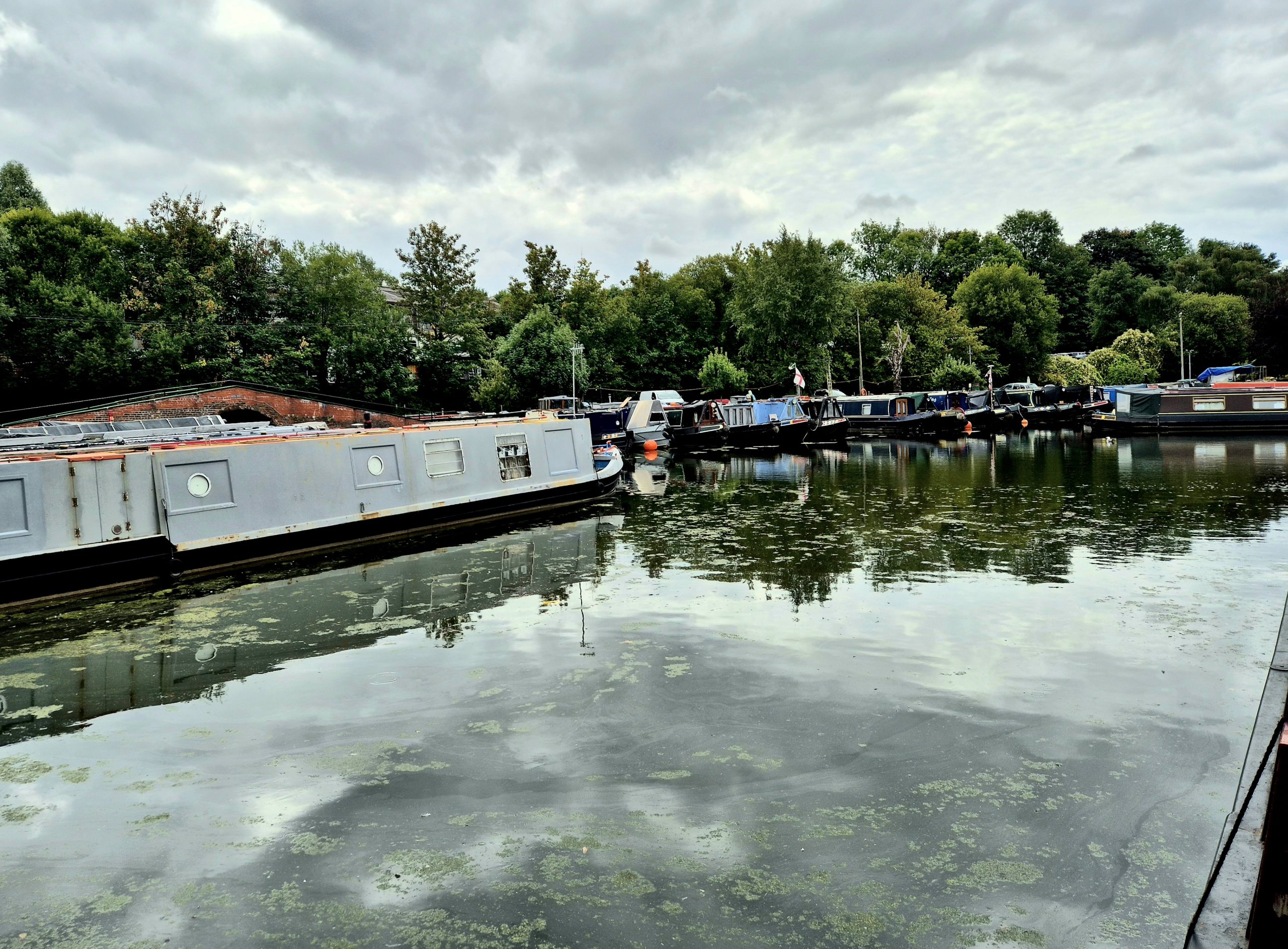
Coombeswood Canal Trust: The Hidden Gem at the End of the Canal

Jul. 17, 2026
From Feeling Overwhelmed to Looking Forward: Destiny’s Social Prescribing Journey
Jul. 13, 2026
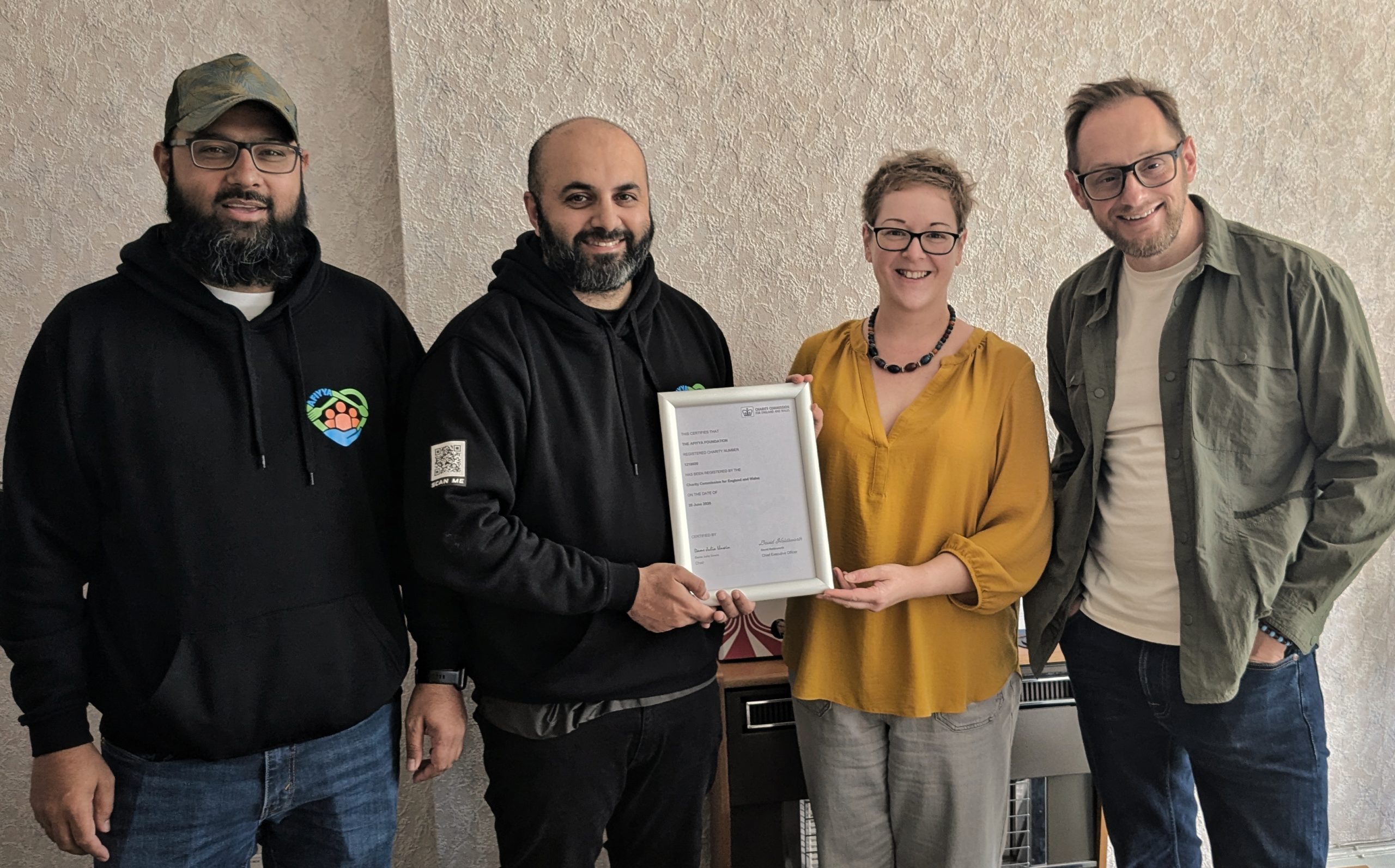
Restoring wellbeing, building community, providing hope: The Afiyya Foundation’s journey

Jun. 26, 2026