
Welcome to November’s funding update.
This update is split into two parts. Section A features funders with a local or regional focus. Section B features funders who work across England. In both sections, funders are listed in order of deadline date, soonest first. Funders without a deadline date appear after this.
This update can only provide a snapshot of these funders so we recommend visiting the funders’ websites for full details before you apply. Most funders in this list have a website, which you can access by clicking on the name of the funder. Full contact details have been provided for funders that do not have a website.
A. Funders with a local/regional interest
Deadline: 9th January 2026
Who can apply: Registered charities with at least one full-time paid member of staff in a leadership position
Size of grant available: This is a package of support to enable winners to develop, raise their profiles, become more sustainable and face the future with greater confidence. The support includes:
Who can apply: Registered charities with at least one full-time paid member of staff in a leadership position
Size of grant available: This is a package of support to enable winners to develop, raise their profiles, become more sustainable and face the future with greater confidence. The support includes:
- A fully funded year of support from Pilotlight
- An unrestricted cash contribution of £6,500 to support the work with Pilotlight, this includes travel expenses to meetings
- Access to a network of local charities working with Pilotlight
- Two peer-to-peer sessions with other Award Winners across the year
Priorities: Unrestricted funding is available for groups working to address disadvantage in one or more of the following fields can apply:
- Youth – the provision of services to children and young people up to age 25, including advice and guidance, work experience, training and coaching
- Welfare – helping vulnerable individuals, including adults experiencing exclusion, social or economic hardship or homelessness, offenders, providing support for older people and disabled
- Environment – practical action around sustainable land use and fishing, renewable energy, recycling schemes, biodiversity, species preservation, marine life, education, climate change science and conservation
- Community – including volunteering work, practical projects to improve an area, running community centres and providing a range of services for their local community
How to apply: Full entry criteria and the online application form can be found on the Pilotlight website.
 Birmingham and Black Country Communities Fund
Who can apply: Any constituted not-for-profit organisation such as charities, community groups and CICs (limited by guarantee only) with an annual income under £500,000
Size of grant available: Up to £3,000
Priorities: Funding is available for projects that can be completed within one year and that meet one or more of the following criteria:
Size of grant available: Up to £3,000
Priorities: Funding is available for projects that can be completed within one year and that meet one or more of the following criteria:
- Promote health and wellbeing
- Tackle disadvantage
- Support local solutions to meet local needs
- Promote community cohesion
- Develop sustainable and supportive communities
How to apply: An online application form and guidance information is available from the Heart of England Community Foundation website.
B. National Funders
National Churches Trust – Medium Grants Programme
Deadline: 16th December 2025
Who can apply: Places of worship of any Christian denomination and age
Size of grant available: Grants of up to £10,000 are available to cover project costs up to £80,000 (including VAT and fees)
Priorities: The Medium Grants programme (formerly Gateway Grants) will support churches preparing for a major project, and in developing their project to the point at which they can approach a major grant funder. Some funding will be awarded to local church trusts for strategic or capacity building projects
How to apply: Guidance notes and the online application form can be found on the Trust’s website.
National Lottery Awards for All England – Environment
Deadline: 17th December 2025
Who can apply: Applications are accepted from any type of constituted not-for-profit organisation, including registered charities, voluntary and community groups and CICs
Size of grant available: Between £300 and £20,000 for up to two years
Priorities: The funding is for projects that meet one or both of these aims:
- Help people connect with and care for nature in their area
- Make a positive difference to the environment
The funding can be used to:
- Start a new activity or continue an existing one
- Help organisations adapt to new challenges
- Run one-off events that have a clear environmental benefit
All projects must benefit the local community and involve local people from the start
How to apply: Guidance notes and the online application form are available on the NLCF website.
National Lottery Community Fund – Climate Action Fund – Our Shared Future
Deadline: 17th December 2025
Who can apply: Applications will only be accepted from not-for-profit organisations (constituted voluntary and community groups, registered charities and CICs) working in a formal partnership. This includes partnerships that:
- Are based around a local area or region
- Cover one of the countries that make up the UK
- Cover the whole UK
- Are based on a shared theme or identity rather than a place
- Are new or already work together
It is not necessary to be a climate or environment-focused organisation to apply. However, at least one partner should have experience of climate or environment work
Size of grant available: The minimum grant is £500,000. It is expected that most grants will be between £1 million and £1.5 million over three to five years
Priorities: The funding is for formal partnership working across sectors, led by community and voluntary organisations or public sector organisations for projects that reach more people by either:
- Influencing communities at a regional, national or UK level, for example by linking larger campaigns or projects that will inspire people to take action on climate issues, or helping communities to influence the people that make policies that affect them
- Linking climate action to the everyday lives and interests of local communities and using people’s day-to-day activities to inspire them to do things differently and work towards lasting impact
NLCF is actively encouraging partnerships that are led by, or include, non-climate or environment-focused organisations
How to apply: Full guidance and the online application form can be found on the NLCF website.
Deadline: 19th December 2025 (for expressions of interest)
Who can apply: Registered charities only
Size of grant available: Up to £100,000 per year for between two years and five years. Most grants will be between £20,000 and £80,000 per year, typically for three to five years
Priorities: The funding is only for projects that:
- Support babies during the 1001 critical days, from pregnancy through to the age of two
- Enable babies, families and carers to access support without shame or stigma
- Are delivered in a family hub or similar “one stop shop” setting – ensuring families have seamless/joined up support
- Make a meaningful and measurable difference to the lives of babies
How to apply: There is a three-stage application process:
- Stage One: expression of interest form available on the foundation’s website. The deadline is 19 December 2025 (17:00)
- Stage Two: main application form. The deadline is 27 February 2026
- Stage Three: meetings with shortlisted applicants
Thomas Wall Trust – Grants for Registered Charities
Deadline: 22nd December 2025
Who can apply: Registered charities that have been registered for at least three years an have an annual turnover between £25,000 and £500,000
Size of grant available: Up to £5,000
Priorities: The Trust views communication skills as critical capabilities for people who want to improve their employment prospects, self-confidence, resilience, and life chances. The funding is for work that develops communication skills for people from disadvantaged groups who want to improve their employment prospects. As an inclusive charity, the Trust welcomes proposals which target people experiencing multiple deprivation or other groups demonstrably facing major hurdles to employment, especially women, people with physical, mental, or learning disabilities, and refugees
How to apply: There is a two-stage application process:
- Stage one – complete an online expression of interest form (available on the Trust’s website) which requires some basic contact details and a description of what the funding is required for. The deadline for first stage applications is 22 December 2025
- Stage two is by invitation only and involves completing a more in-depth application form and to submit a project plan, budget, latest set of financial accounts and any relevant policies
Groups that would like to contact the Trust will need to use the Trust’s online message form which is on Trust’s website contact page.
UnLtd – Awards for Social Entrepreneurs
Deadline: 31st December 2025
Who can apply: Applications will be accepted from social entrepreneurs aged 16 and over who are living in the UK and who are the founder of the social business. The social entrepreneur must:
- Have identified a social issue and developed a business model that works to solve it
- Be committed to, and have a track record of, delivering local, regional or national social impact at scale
- Be experienced, ambitious and capable of growing their venture
- Have a realistic growth plan
- Be committed to working full-time in their social venture
The social venture must:
- Be less than four years old
- Have a turnover of less than £250,000 in their last financial year
- Be dynamic and ready to grow to local, regional or national scale and have a logical and appropriate plan to deliver this
- Have a compelling performance to date and/or a logical and appropriate plan for rapid growth to reach local, regional or national scale
- Not solely exist to secure investment in the year ahead
- Target beneficiaries predominantly based in the UK
Priority will be given to social ventures which are tackling inequality and focusing on the most marginalised communities and those with high levels of need
Size of grant available: The following levels of funding are available:
- Starting Up – up to £8,000 for social entrepreneurs with an idea for a venture which has not yet been established, or which has been running for less than a year
- Scaling Up – up to £18,000 to grow an existing social enterprise that has been operating for between one and four years
Together with funding, award recipients will be assigned to one of UnLtd’s dedicated programmes to provide support aligned with the needs of their social venture for up to one year
Priorities: The funding is intended to support social entrepreneurs by helping them nurture their social ventures and grow their impact. UnLtd is committed to providing 50% of their awards to Black, Asian and minority ethnic social entrepreneurs, and/or disabled social entrepreneurs
How to apply: Guidance notes and the online application form can be found on the UnLtd website.
Educational Opportunity Foundation
Deadline: 14th January 2026
Who can apply: Registered charities with an income between £25,000 and £2.5 million
Size of grant available: UK projects – £30,000 to £90,000 (maximum £30,000 per year for multi-year projects). Annual grant payments cannot exceed 50% of an organisation’s three-year average income. The Foundation will fund overhead contributions up to 20% of the total grant
Priorities: Grants to support work that improves the educational outcomes and life chances of care-experienced young people under the age of 25 living in the UK. Grants can be used for projects which:
- Improve access to educational opportunity – including support for care experienced young people to attend and engage in mainstream school life; increasing the number of education professionals able to understand their needs; equipping carers to understand the education system and support and advocate for the young people in their care, engaging with trauma-informed support; improving access to out of school support and educational activities
- Improve educational outcomes – including enabling care experienced young people to learn in ways that works for them; supporting a broad range of activities that develop confidence and mental health in order to improve educational outcomes including support for carers to encourage learning and raise aspirations
- Improve life chances – including improving the support for care experienced young people (aged 16–24) to access further education, employment or training opportunities and improving support for them to remain engaged with these opportunities
How to apply: Applicants must initially submit a stage 1 application using the application form that can be downloaded from the foundation’s website.
Who can apply: Any type of constituted not-for-profit organisation, including charities, voluntary and community groups and CICs
Size of grant available: £300-£15,000
Priorities: Sport England is encouraging organisations to apply for grants for new initiatives that improve both environmental sustainability and physical activity opportunities for the people and communities who need it the most. There is particular interest in initiatives that promote and support ‘climate justice’ – addressing the barriers facing those most affected by climate change to support them to access sport and physical activity opportunities. Sport England is now looking for projects that:
Size of grant available: £300-£15,000
Priorities: Sport England is encouraging organisations to apply for grants for new initiatives that improve both environmental sustainability and physical activity opportunities for the people and communities who need it the most. There is particular interest in initiatives that promote and support ‘climate justice’ – addressing the barriers facing those most affected by climate change to support them to access sport and physical activity opportunities. Sport England is now looking for projects that:
- Show they will improve environmental sustainability by addressing at least one of the six Every Move priorities:
- Just transition: Inequalities, inclusion and participation
- Energy and resources: Carbon emissions – travel and facilities
- Energy and resources: Circular economy – supply chains, products and waste
- Nature: Blue-green environment quality and use
- Nature: Biodiversity
- Resilience: Adapting to climate change and extreme weather events.
- Show they will benefit physical activity in the community
- Have a clear, feasible and reasonable delivery plan
Projects that target at least one of the following priority groups are more likely to get funding:
- People living on low incomes
- Disabled people or those with long-term health conditions
- Older people
- People from culturally diverse communities
- Pregnant women and parents with very young children
- Girls aged 5-16
- LGBTQ+ people
- People who are in foster care
In addition, projects in an area with a high level of need are also more likely to be funded
How to apply: There are no deadlines for applications. Groups can expect a decision within six weeks. The funding guidance and a short quiz which starts the application process can be found on the Sport England website.
Arnold Clark Community Fund
Who can apply: Not-for-profit organisations including registered charities and community groups within 50 miles of an Arnold Clark branch (Stourbridge, Wolverhampton and Oldbury)
Size of grant available: Up to £1,000
Priorities: Funding for projects embedded in the communities in which Arnold Clark operates and is available to organisations who provide services widely accessible to those within Arnold Clark local communities, addressing the needs of those living within them. Projects need to address one of the following categories:
- Pet welfare (to help cover costs for pet bills, animal shelters, therapy animals) – reviewed on case by case basis
- Arts and culture (music, books, art and theatre groups looking for money for transport, resources, venue hire, and special licences)
- Community enhancement (enhancing community, defib installation and replacements, play parks, community gardens, community galas and events)
- Disability (sensory group resources, equipment and adaptations, this could be from groups or hospitals, trips for disability groups)
- Educational training / advancement (extra resources for a PTA, school/education fayre/gala, uniform poverty)
- Sustainability enhancements / projects (community clean-ups, recycling programmes, urban gardening, eco-friendly initiatives)
- Mental health support (local support groups, networks end events that focus on mental wellbeing support)
- Relief support organisations (emergency service aid, cancer or illness support groups)
- Equality and diversity (programmes that promote equal access and opportunity, address discrimination and inequality and foster community cohesion)
- Youth clubs and groups, such as Brownies, Scouts, Guides, Sea Cadets, Cubs, amateur sports teams, dance groups and gymnastics (up to £750 for community trips, clubs costs materials, venue hire, transport)
How to apply: The criteria, faqs, terms and conditions, and application forms are available on the Arnold Clark website.
BlueSpark Foundation
Who can apply: Any type of not-for-profit organisation including community groups, clubs and societies
Size of grant available: Up to £5,000
Priorities: Funding is for the costs of specific, relatively small-scale projects that might not happen at all or would only happen on a lesser scale without the support of BlueSpark. Projects can be educational, cultural, sporting or other activities but particular consideration will be given to those that help the self-confidence, team working skills and future employability of children and young people. Projects that the Foundation support include, but are not limited to the following:
- Academic education
- Art and design
- Community projects
- Debating
- Drama
- Educational excursions
- Enterprise projects
- Music
- Public speaking
- Sport
- Vocational training
How to apply: Applications should be submitted using the online application form, which is available on the BlueSpark Foundation website.
Who can apply: Constituted not-for-profit organisations including charities and voluntary and community groups
Size of grant available: At the discretion of the funder
Priorities: The funding is intended to support community-led sustainability projects and initiatives by non-profit organisations, community groups and educational facilities. The Stobart Sustainability Fund aims to help these groups transform their local communities by tackling climate change, reducing carbon emissions or protecting and enhancing the environment. Applications need to be of a green, ecological or sustainability nature with the project benefiting the environment
How to apply: The online application form can be found on the Stobart corporate website.
Size of grant available: At the discretion of the funder
Priorities: The funding is intended to support community-led sustainability projects and initiatives by non-profit organisations, community groups and educational facilities. The Stobart Sustainability Fund aims to help these groups transform their local communities by tackling climate change, reducing carbon emissions or protecting and enhancing the environment. Applications need to be of a green, ecological or sustainability nature with the project benefiting the environment
How to apply: The online application form can be found on the Stobart corporate website.
Sofronie Foundation
Who can apply: Constituted not-for-profit organisations including charities and voluntary and community groups
Size of grant available: At the discretion of the funder
Priorities: The Foundation aims to support projects that provide young people with skills for jobs and programmes that increase access to higher education. Funding is for work that:
Priorities: The Foundation aims to support projects that provide young people with skills for jobs and programmes that increase access to higher education. Funding is for work that:
- Increases access to higher education – Educational programmes for young people that raise aspirations, build confidence, and develop skills in preparation for university
- Increases access to vocational training – Initiatives that provide young people with practical skills or offer opportunities of work experience in preparation for future employment.
How to apply: Guidance notes and an online application form are available from the Sofronie Foundation website.
Gosling Foundation
Who can apply: Registered charities and community interest companies. Uniformed youth groups like Scouts, Guides and Sea Cadets can also apply
Size of grant available: Grants start at £5,000
Priorities: Funding is for projects that address the Foundation’s areas of focus:
Size of grant available: Grants start at £5,000
Priorities: Funding is for projects that address the Foundation’s areas of focus:
- Royal Navy and Royal Marines – to improve their quality of life
- Youth – provide opportunities and support for disadvantaged young people
- Education – opportunities and support for people
Grants can be used for
- Project costs (for projects that directly impact beneficiaries)
- Capital projects eg new buildings, extensions, refurbishment and recreational spaces
- IT projects, moving services online, setting up helplines etc
- Equipment and furniture
- Salaries (for positions that directly impact beneficiaries)
- Events that directly impact beneficiaries
How to apply: Guidance notes and an online application form are available on the Foundation’s website.
Who can apply: Registered charities with annual income under £1million
Size of grant available: Up to £5,000
Priorities: The Foundation supports the following:
Size of grant available: Up to £5,000
Priorities: The Foundation supports the following:
- Youth: to help disadvantaged young people, supporting youth projects through education, the arts, sport and adventurous activities
- Disabled: to improve the quality of life of those with a mental or physical disability
- The elderly and terminally ill: to improve the quality of life of the elderly and those receiving end of life care
- Miscellaneous support: other social welfare projects such as those for carers, the homeless and ex-offenders
How to apply: Download an application form from the Foundation’s website and send it with the following:
- A copy of the most recent set of audited accounts
- A breakdown of the costs demonstrating how the grant will be spent
- The anticipated outcomes/impact and who/how many people will benefit
Completed application forms should be sent by post or email (applications@hedleyfoundation.org.uk). The Foundation receives more than 1,000 applications per year of which around 250 are successful.
Oliver Ford Foundation
Who can apply: Registered charities only
Size of grant available: Grants are usually in the £1,000-£10,000 range
Priorities: Funding is intended for UK registered charities who are providing housing, educational or training facilities for children, young persons or adults who have learning disabilities or learning difficulties
How to apply: The Foundation does not maintain a website or an email address. Organisations should contact the Oliver Ford Foundation for further information on how to apply on: Enquiries, Oliver Ford Foundation, Macfarlanes LLP, 20 Cursitor Street, London, EC4A 1LT. Phone: 0207 831 9222
Who can apply: Registered charities only
Size of grant available: Each funder has its own grant sizes:
Size of grant available: Each funder has its own grant sizes:
- Beatrice Laing Trust – typically between £2,000 and £10,000
- Maurice & Hilda Laing Trust – typically between £5,000 and £25,000
- Kirby Laing Foundation – grants are at the discretion of the trustees
Priorities: Most grants awarded are for one-off capital purposes, such as the purchase or construction of new premises, building extension, redevelopment or refurbishment, or the purchase of equipment and vehicles. Other grants are for specific projects that meet a clearly defined and demonstrable need within the applicant charity’s beneficiary/client group and which cannot be met from statutory sources. Project grants can be one-off or phased, often on a tapering basis, over a three-year period. These are the priorities of each funder:
- Beatrice Laing Trust – focus is on the relief of poverty and the advancement of the evangelical Christian faith, both at home and abroad. The Trust’s priority areas of giving are to support:
- New church building, extension or redevelopment projects, with a particular emphasis on churches using their physical resources to communicate Christian faith and respond to needs in their local community
- Organisations offering practical services to those who are disadvantaged and vulnerable, with a particular emphasis on Christian organisations seeking to express their faith through practical action to help:
- The homeless
- The elderly
- Ex-offenders
- Former servicemen and women
- Organisations providing practical services to people with physical, mental and learning difficulties, predominately through:
- Special schools seeking to make provision for those with increasingly complex needs
- Support in the transition from childhood to adulthood and in accessing training and/or meaningful employment opportunities
- Small-scale overseas development projects aimed at building the capacity of local partners to provide long-term solutions to problems in the developing world, principally through Christian organisations working in the Anglophone countries of Sub-Saharan Africa and parts of Asia
- Kirby Laing Foundation – areas of particular interest to the Trustees include the following:
- Promotion of the evangelical Christian faith
- Health and social care – advancing education and welfare in ageing
- Developing talent in the performing arts (music and theatre)
- Overseas development projects, with a special interest in projects benefiting women and girls and those with disabilities, with a geographical focus on Nepal and Bangladesh
- Science and engineering innovation
- Maurice & Hilda Laing Trust – The trustees have identified the following main areas of interest:
- To advance Christian faith and values, with an emphasis on:
- Making the Christian message accessible to all through innovative ‘fresh expressions’ of church and pioneer ministries
- Nurturing children and young people in the Christian faith – helping them to explore and grow in Christian faith
- Providing support for oppressed Christian communities overseas
- To support organisations, primarily those inspired by Christian faith, offering practical support to those in the UK who are disadvantaged, vulnerable and/or socially isolated with a particular focus on helping:
-
- Families and young people at risk
- Prisoners and ex-offenders, particularly women in the justice system
- The homeless
- Refugees
-
- Relief of poverty overseas, predominantly through Christian organisations working in the low-income countries of Sub-Saharan Africa
- To advance Christian faith and values, with an emphasis on:
How to apply: Applications may be made at any time. Applications will automatically be directed to the most appropriate of the four Trusts. There is no formal application form. Applicants will have to download and complete an application cover sheet, which is available on completion of the eligibility quiz on the Laing Family Trusts website. This should be submitted along with a concise proposal (usually about three to four pages) including the following information:
- Description of the project/activity for which funding is sought; this should identify the need the project addresses and the difference it will make
- Anticipated start and end date of the project
- A detailed budget breakdown
- Fundraising plan, to include anticipated sources of funding, funds already secured and plans for securing the shortfall (including any loan arrangements, sale of assets etc)
- Arrangements for monitoring and evaluating the project
- A copy of the charity’s most recent annual report and audited accounts
Douglas Arter Foundation
Who can apply: Registered charities only
Size of grant available: Up to £2,000
Priorities: Projects that support the physically or mentally disabled
How to apply: Applications may be submitted at any time. The trustees meet in March, June, September and December and successful applicants will be notified within two weeks of meetings. The funder does not have a website. Applications must be made in writing and should include a copy of the organisation’s most recent accounts. Write to The Secretary, Douglas Arter Foundation, Fern Villa, Melksham Road, Patterdown, Chippenham, Wiltshire SN15 2NR. Phone: 01249 448252 | Email: dafbristol@aol.com
Size of grant available: Up to £2,000
Priorities: Projects that support the physically or mentally disabled
How to apply: Applications may be submitted at any time. The trustees meet in March, June, September and December and successful applicants will be notified within two weeks of meetings. The funder does not have a website. Applications must be made in writing and should include a copy of the organisation’s most recent accounts. Write to The Secretary, Douglas Arter Foundation, Fern Villa, Melksham Road, Patterdown, Chippenham, Wiltshire SN15 2NR. Phone: 01249 448252 | Email: dafbristol@aol.com
Dixie Rose Findlay Charitable Trust
Who can apply: Registered charities only
Size of grant available: Most grants are between £1,000 and £2,500
Priorities: This funder supports general charitable purposes, so a wide range of projects can be supported
How to apply: The trust does not have a website or email address. Apply by letter to Dixie Rose Findlay Charitable Trust, HSBC Trust Co. (UK) Ltd, Second Floor, 1 The Forum, Parkway, Whiteley, Fareham, PO15 7PA. For enquiries, phone: 02380 722 243.
Size of grant available: Most grants are between £1,000 and £2,500
Priorities: This funder supports general charitable purposes, so a wide range of projects can be supported
How to apply: The trust does not have a website or email address. Apply by letter to Dixie Rose Findlay Charitable Trust, HSBC Trust Co. (UK) Ltd, Second Floor, 1 The Forum, Parkway, Whiteley, Fareham, PO15 7PA. For enquiries, phone: 02380 722 243.
@DudleyCVS
/CVSDudley
/CVSDudley
/CVSDudley
Aug. 06, 2026
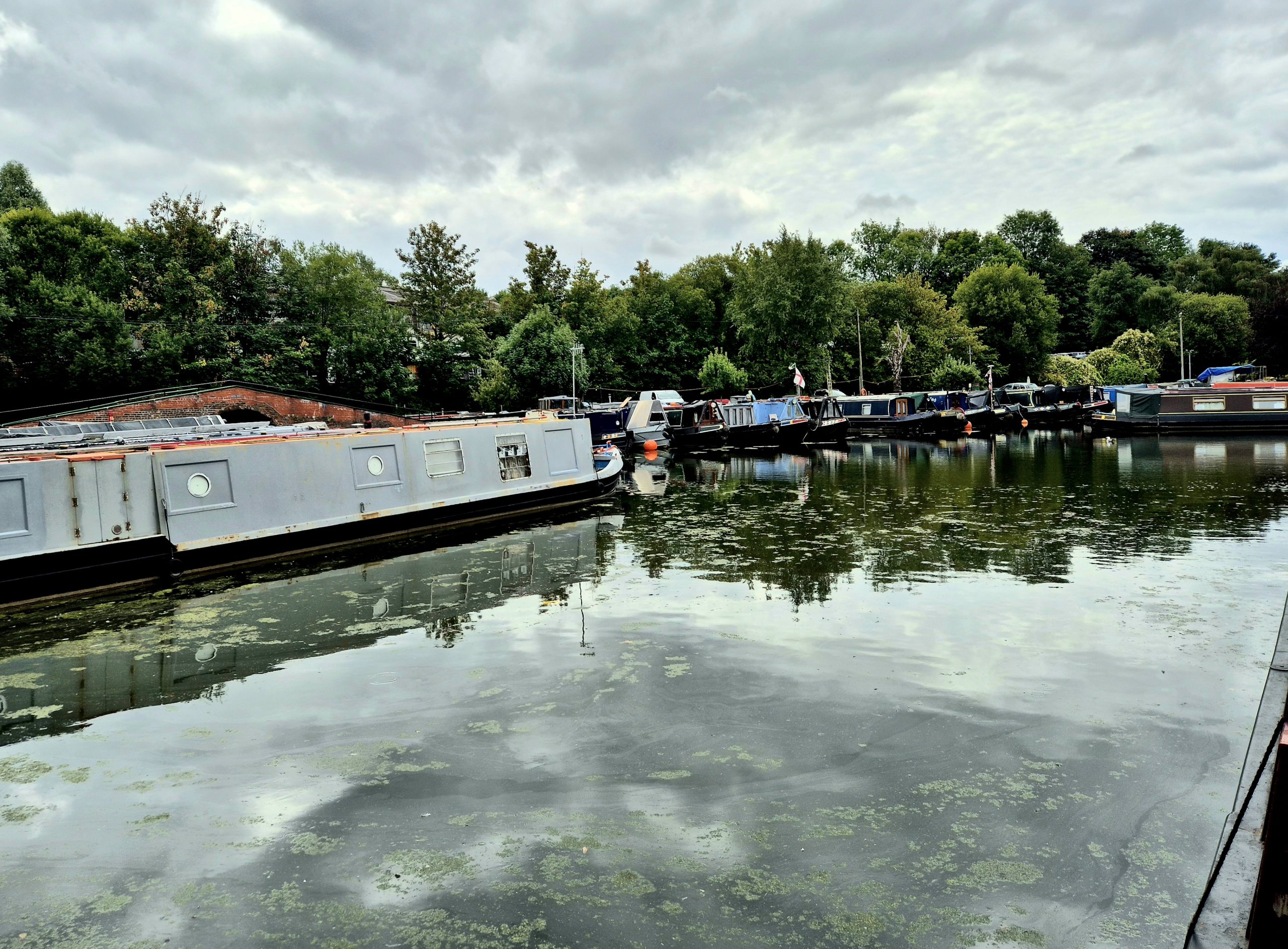
Coombeswood Canal Trust: The Hidden Gem at the End of the Canal

Jul. 17, 2026
From Feeling Overwhelmed to Looking Forward: Destiny’s Social Prescribing Journey
Jul. 13, 2026
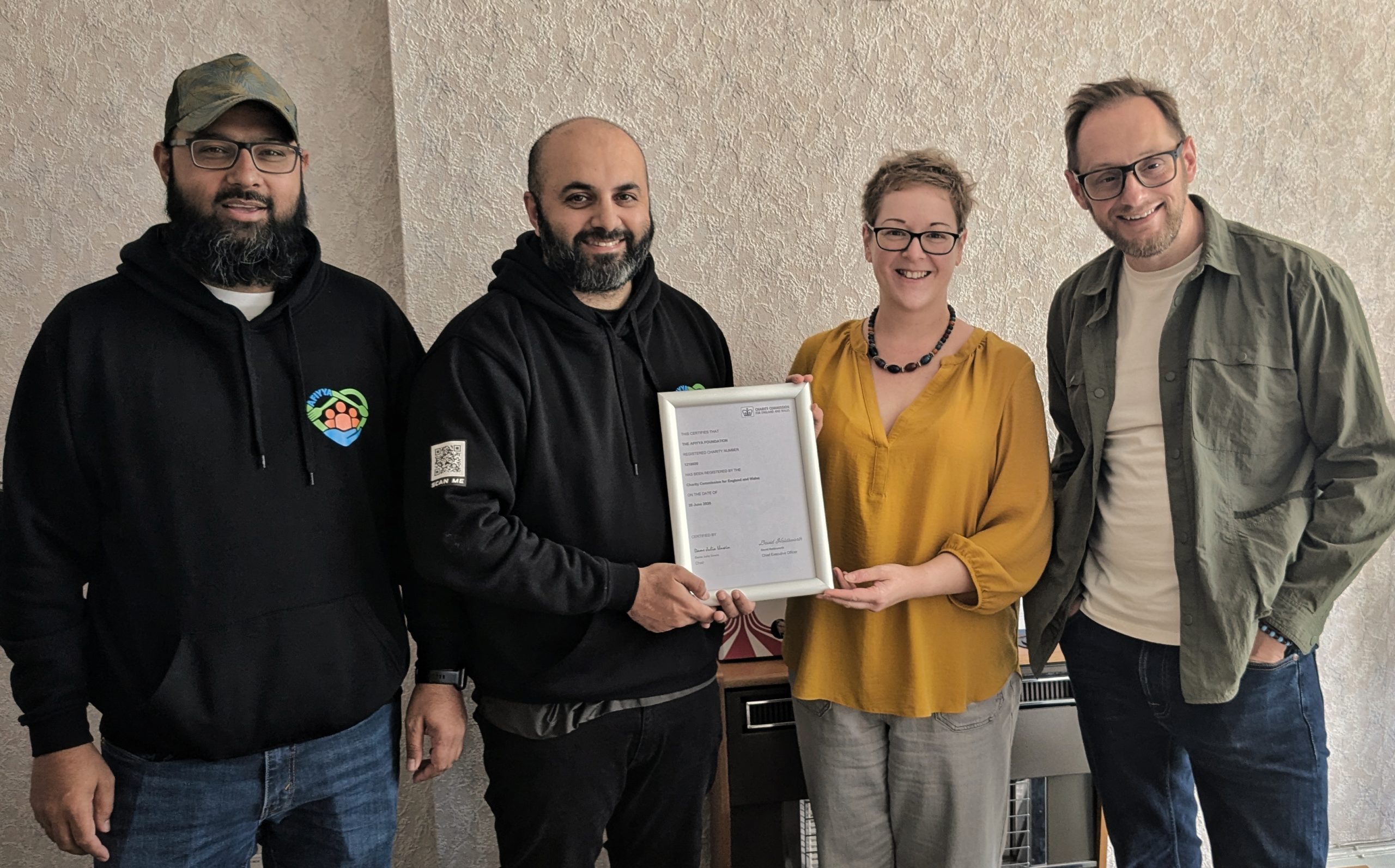
Restoring wellbeing, building community, providing hope: The Afiyya Foundation’s journey

Jun. 26, 2026
Buddy Volunteers – providing support to improve well-being…

May. 11, 2026